Does Biden Take Space Seriously?
Article by Charles Beams March 12, 2021 (politico.com)
• In 2017, President Trump resurrected the National Space Council where senior government and industry leadership would plan and organize the U.S. and the world roles in a new ‘space century’. Putting the Vice President in charge was vital to the council’s integrity. Now, the Biden administration’s decision to assign oversight of space to the National Security Council has fueled speculation that the high-level National Space Council will be discontinued.
• Does Administrator Biden and his senior advisers truly appreciate the gravity of the situation and the opportunities before us in the final frontier? Seventeen industry groups representing hundreds of companies critical to our nation’s space future have recently endorsed keeping the National Space Council. They says that retaining the council “will provide stability and continuity to the United States’ space endeavors, enabling historic exploration and scientific achievement”. Its continuation would reflect that space is indeed a real priority.
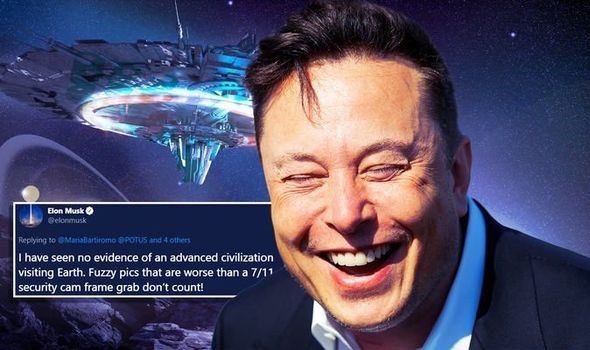
• Serious questions regarding space need to be addressed in the next few years. These will require senior attention and active support across the Executive Branch. Should one person, ie: Elon Musk, monopolize the commercial space sector? Or should it be regulated to encourage small business growth in space? How should we encourage fair play among nations in space? How should we respond to anti-competitive Chinese business practices? And how can we prevent the growing menace of space debris from inhibiting future generations’ expansion into space?
• One specific policy issue that the National Space Council would manage is the evolution of the United States Space Force. Space Force is charged with protecting and ensuring free and fair access to space and defending contested domains where commercial companies and developing nations are increasingly operating. Space Force must create a culture to recruit and retain world class intellects and leaders to guide a developing military domain that is more defined by artificial intelligence, autonomous robotics and machine learning, than bullets and bombs. In the coming decades, Space Force must become a military service that understands, partners with, and sometimes puts commercial and civil needs before warfighting requirements. Guidance from the highest levels is essential for the Space Force to be successful.
• To date, however, no senior appointees have been nominated for the most senior space positions, including the NASA administrator or the space policy and space acquisition positions in the Pentagon. Without the high-level attention of a strong National Space Council, low earth orbit will become a no man’s land of discarded satellite and rocket debris, exploited only by the ultra-wealthy. The unique ability of the space sector to promote commerce, enhance international trade, strengthen diplomacy, and prevent military conflict will be lost.
• If the Biden administration cannot see the value in the National Space Council to lead a coherent space policy for a new century, it should disband it. Pretending it is important while assigning it no clear purpose would be a waste of time and resources, and actually hamper progress in space. The decisions the Biden administration makes regarding the National Space Council, Space Force, NASA and commercial space policies will determine whether space will remain a safe, nonpartisan domain for an economy to flourish or will become an inhospitable orbital minefield where only military hegemons joust for supremacy.

The early signs coming from the Biden administration have more than a few of us

worried about its approach to space policy.
The decision to assign oversight of space to the National Security Council has fueled speculation that the high-level National Space Council will be discontinued. And it comes at a time when a similar lack of seriousness by White House Press Secretary Jen Psaki and her flippant comments about the Space Force are playing out in the media.
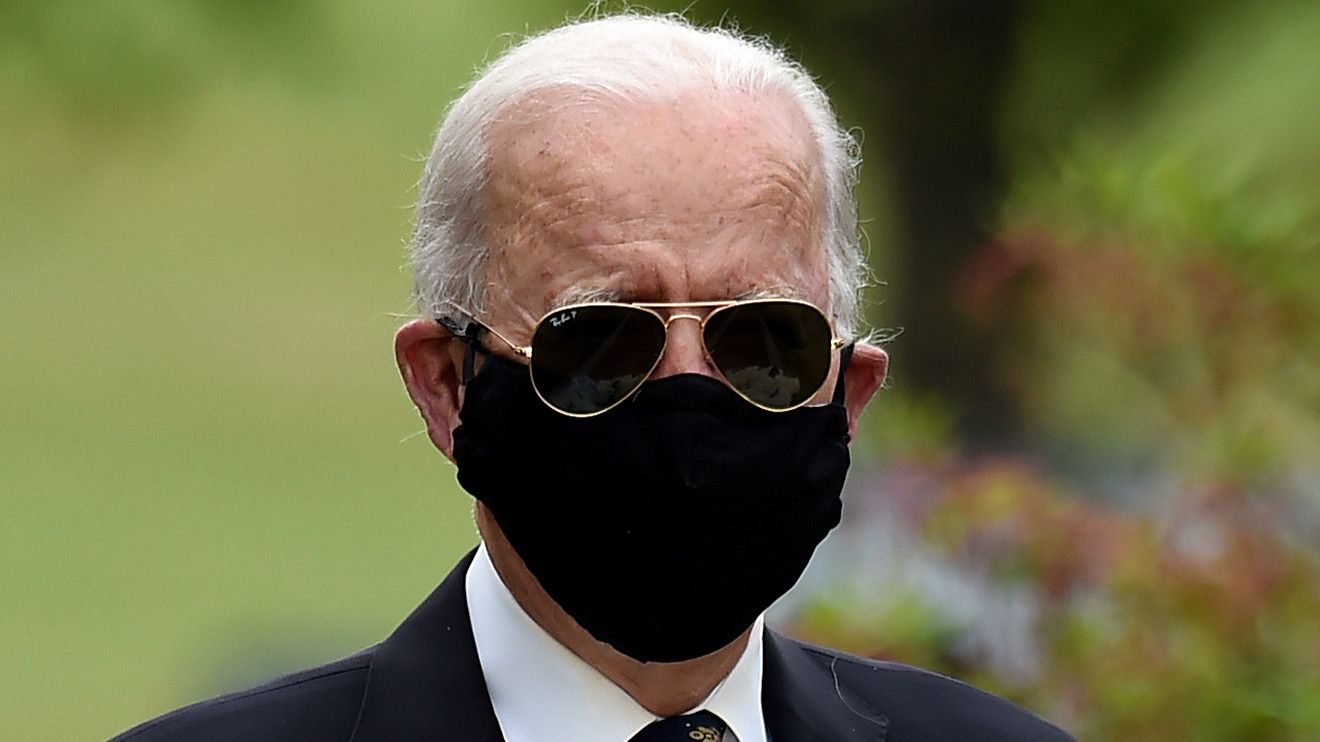
 The two recent events beg the question: do President Joe Biden and his senior advisers truly appreciate the gravity of the situation and the opportunities before us in the final frontier?
The rumors of dismantling of the National Space Council should give us all pause. Resurrecting the council in 2017 and putting the vice president in charge was vital to focusing senior government and industry leadership on organizing the U.S. and the world for a space century.
Which is exactly why 17 industry groups representing hundreds of companies critical to our nation’s space future have recently endorsed keeping it. Retaining the council “will provide stability and continuity to the United States’ space endeavors, enabling historic exploration and scientific achievement,” they wrote in their letter to President Biden’s chief of staff. Its continuation would reflect that space is a real priority for our new president.
Serious space questions need to be addressed in the next few years that require senior attention and active support across the executive branch.
FAIR USE NOTICE: This page contains copyrighted material the use of which has not been specifically authorized by the copyright owner. ExoNews.org distributes this material for the purpose of news reporting, educational research, comment and criticism, constituting Fair Use under 17 U.S.C § 107. Please contact the Editor at ExoNews with any copyright issue.
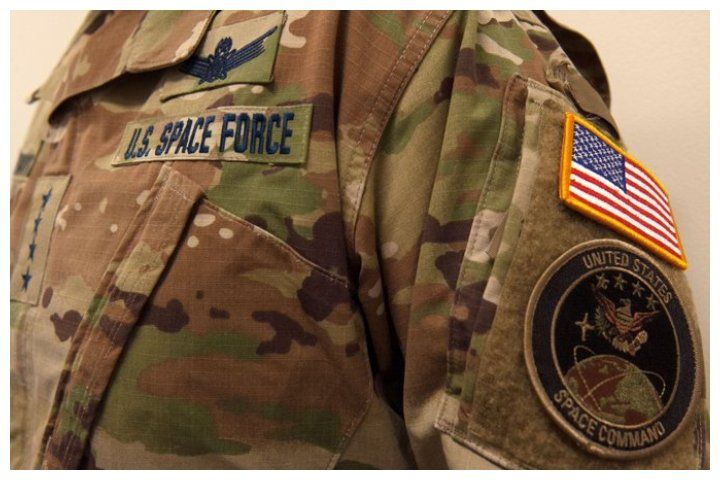


 “We recognize it clearly as a warfighting domain. And we also know that we, the United States, we’ve got to maintain capabilities in that domain if we are going to continue to deter a great power war,” Chairman of the Joint Chiefs General Mark Milley said during the induction ceremony.


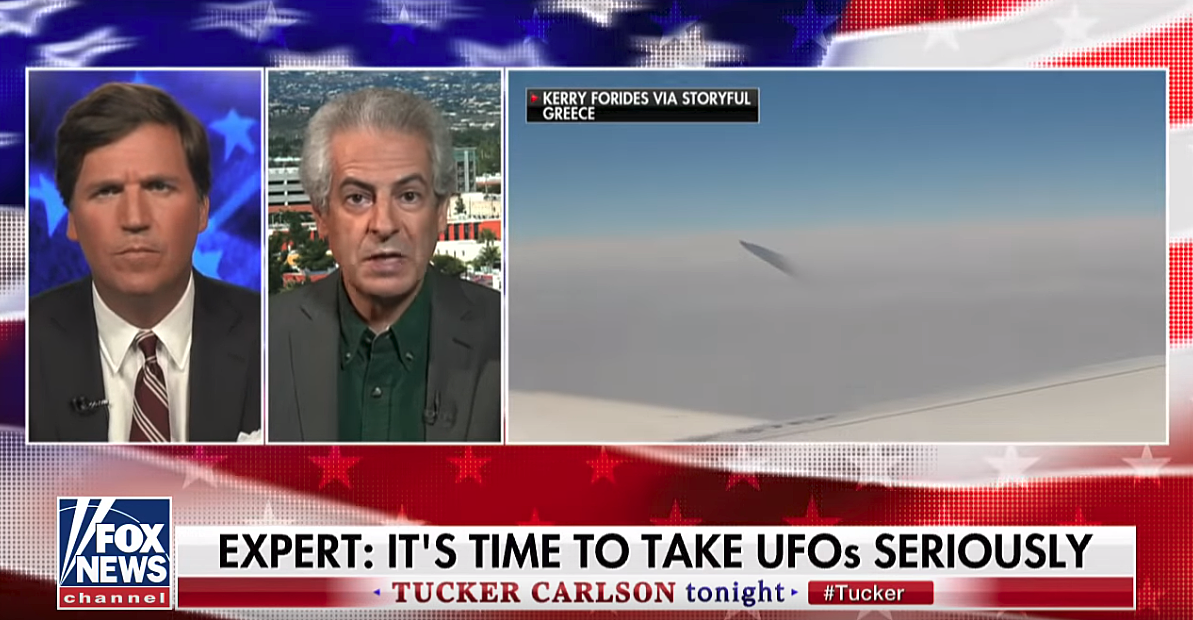
 weekend to gain additional details about the interview, Eshed’s state of mind and where he was supposedly getting his information. Assuming the reporter’s conclusions are accurate, Eshed is quite sane, but he does have a history of getting his “information” from conspiracy theory authors who aren’t generally viewed as being terribly reliable sources of hard data.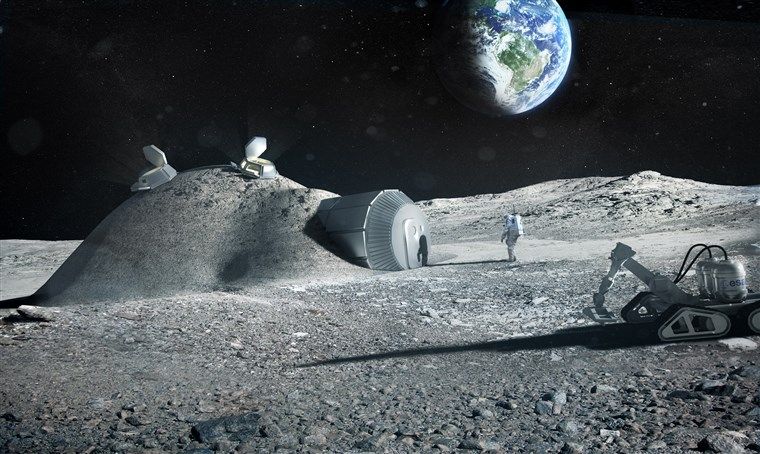
 Yesterday, the lander of the Chinese probe “Chang’e-5” successfully separated from the orbital module and started landing on the Moon. It must collect and deliver samples of lunar soil to Earth. This is the next stage of an ambitious program, the ultimate goal of which is a permanent base on the satellite. Roscosmos and NASA are also planning “lunar cities.” About what will be the first human settlement outside of our planet is in the material.

 Prof. Haim Eshed served from 1981 to 2010 as the head of Israel’s security space program and over the

 soon enough began Earth’s acceptance into the more evolved planets of our galaxy, Prof. Eshed’s teachings are familiar, even trite, with one important proviso: we know Cochrane is a fictional character (born in 2013 or 2030, Star Trek is not a very organized universe). Eshed may not be distinguishing so good between reality and fiction.
 Eshed, 87, holds a bachelor’s degree in electronics engineering from the Technion, a master’s degree in performance research, and a doctorate in aeronautical engineering. In 1965, he served in the technological unit of the IDF Intelligence Division in research and development positions. In 1969, he was sent by the IDF Military Intelligence to study for a doctorate in aeronautical engineering in the United States. When he returned, he was appointed head of the research and development department in the Intelligence Corps. He retired with the rank of lieutenant colonel. Following his military service, he was employed as a professor at the Technion’s Space Research Institute, and in 1981 established and became the first director of the Challenge Program, a unit of the Administration for Research, Development of Weapons and Technological Infrastructure (Mapat) in the Defense Ministry, which is responsible for satellite projects. He retired from the Defense Ministry in October 2011, having commanded the launching of 20 Israeli satellites.
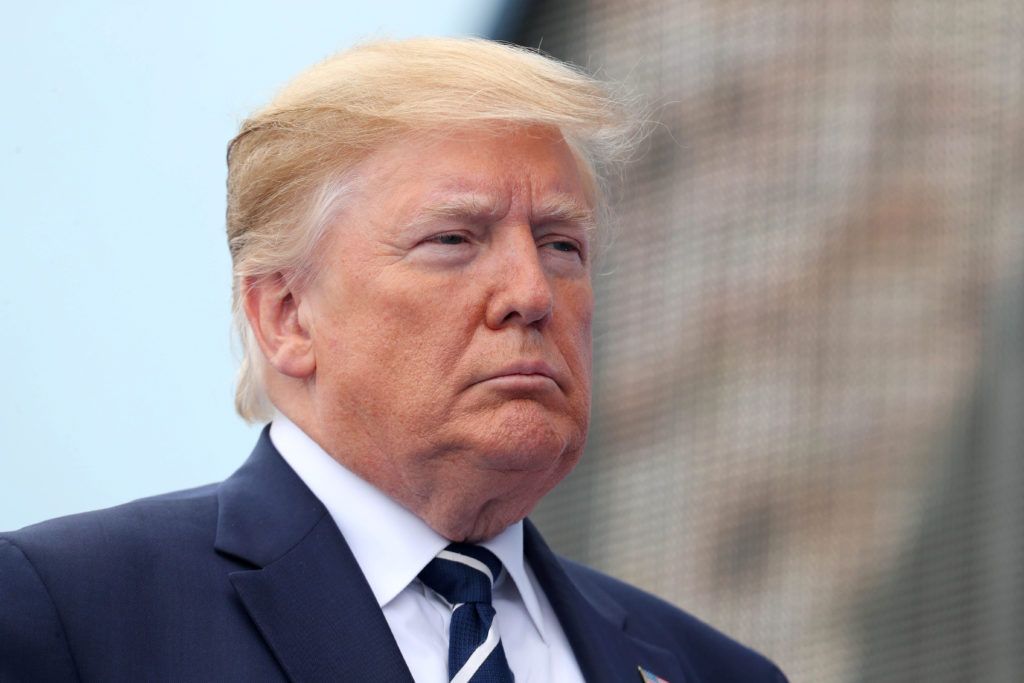



 President Donald Trump says he’ll veto the 2021 National Defense Authorization Act (NDAA), the annual bill that sets the budget and policies for the U.S. military, if lawmakers don’t remove a bipartisan amendment to rename military bases named after Confederate leaders, according to an NBC News report.
 raises and funding for new equipment, among other items. But it also includes language that could ultimately change what the American public knows about UFOs in a significant way. A Trump veto of the NDAA may stall the momentum of a movement that has rapidly captured mainstream attention over the last two years.



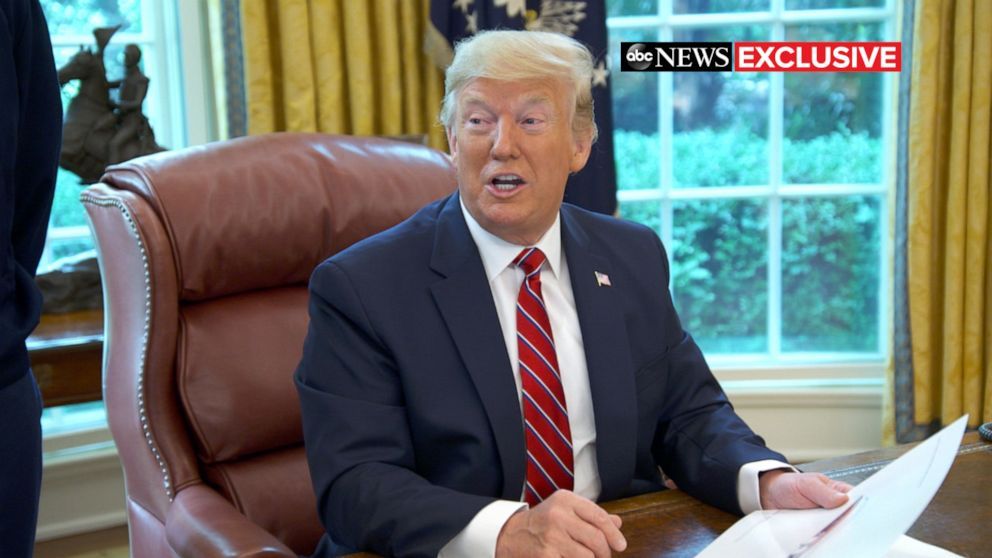
 President Trump recently was recently asked about UFO’s. He replied, “I don’t know but I’ll find out.”



 For the last decade, Beijing and Moscow have both reorganized their militaries — and developed
  weapons — to wage a space war against the United States. The situation is now so precarious that America could face a Pearl Harbor in space.
 satellites, which could confuse American military units and weapons in times of war. On Sept. 3, China surprised the world when it launched a reusable spacecraft that, before returning to Earth three days later, released a smaller object that still remains in orbit today. There is concern that this device is an offensive “space stalker” designed to covertly tailgate American satellites and push them from their orbits.
 The 2019 movie Ad Astra had a US military base on the moon and a memorable battle scene involving a moon rover, implying that by late this century the moon will be heavily militarised. A question now being discussed in space policy circles is whether fact will follow science fiction, as the US Space Force considers exactly what its role will be. It has some pretty ambitious ideas, and a recent report indicates that its thinking will be shaped by a deep astrostrategic perspective.
 researching the idea of military bases on the lunar surface. The academy’s Institute for Applied Space Policy and Strategy has a ‘military on the moon’ research team that was set up ‘to evaluate the possibility and necessity of a sustained United States presence on the lunar surface’. The focus seems to be on a military base, though there’s little information on exactly what they’re planning.



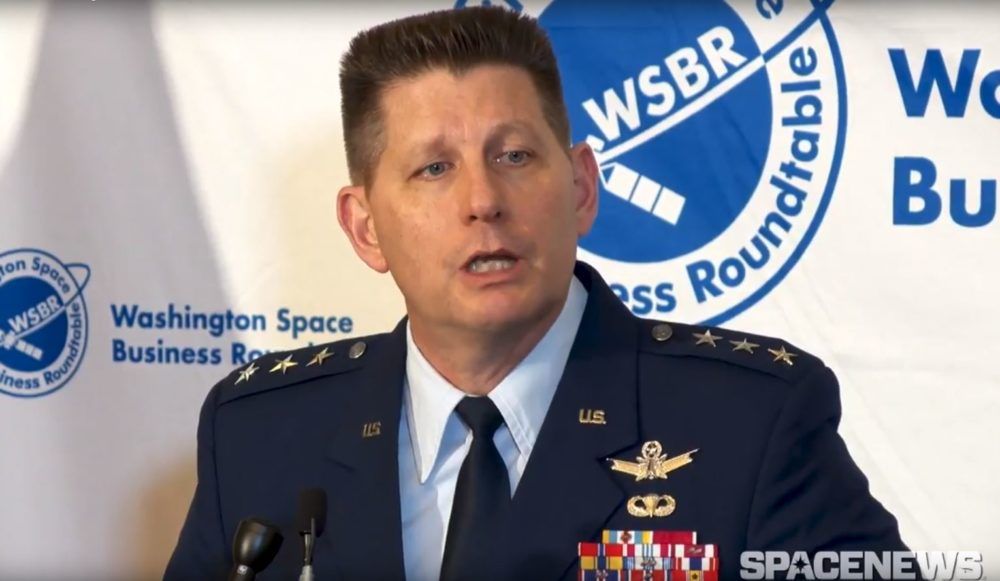
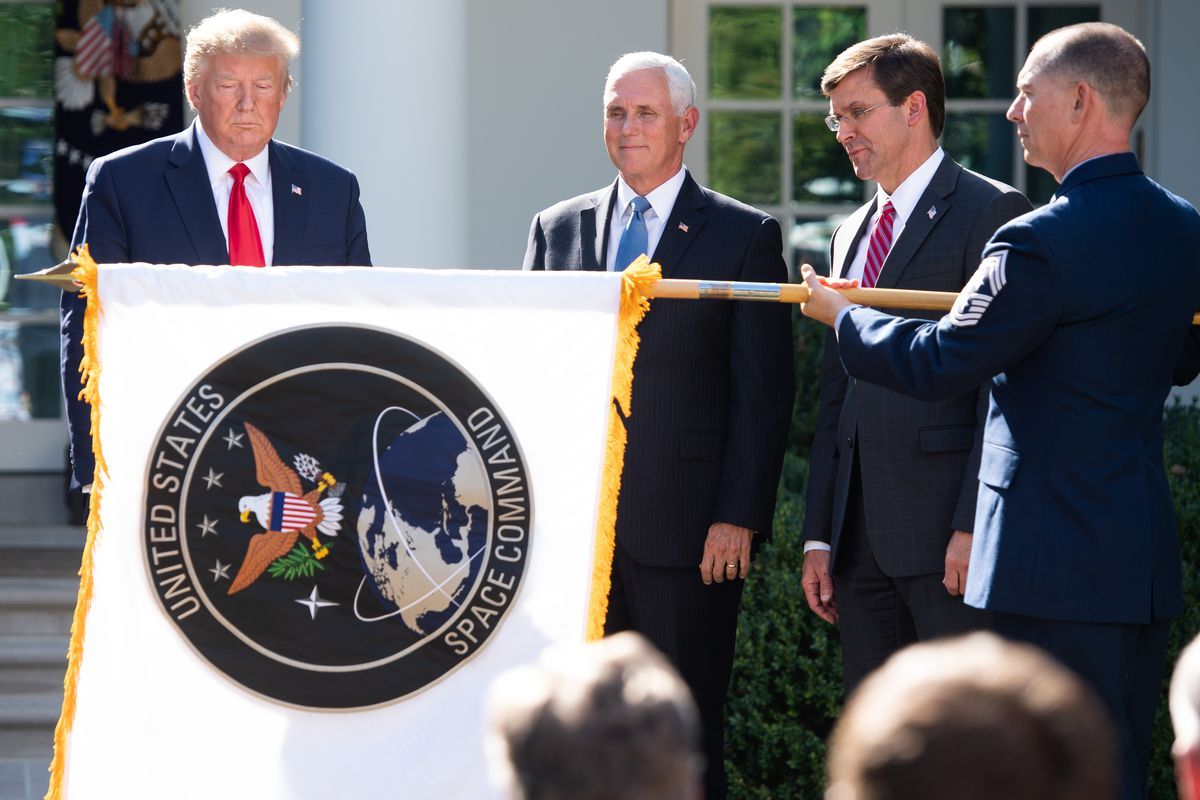

 USSPACECOM becomes the 11th UCC of the United States Armed Forces. This designation makes it similar in stature to other UCCs such as U.S. Special Operations Command, U.S. Cyber Command, U.S. Pacific Command and U.S. Central Command.