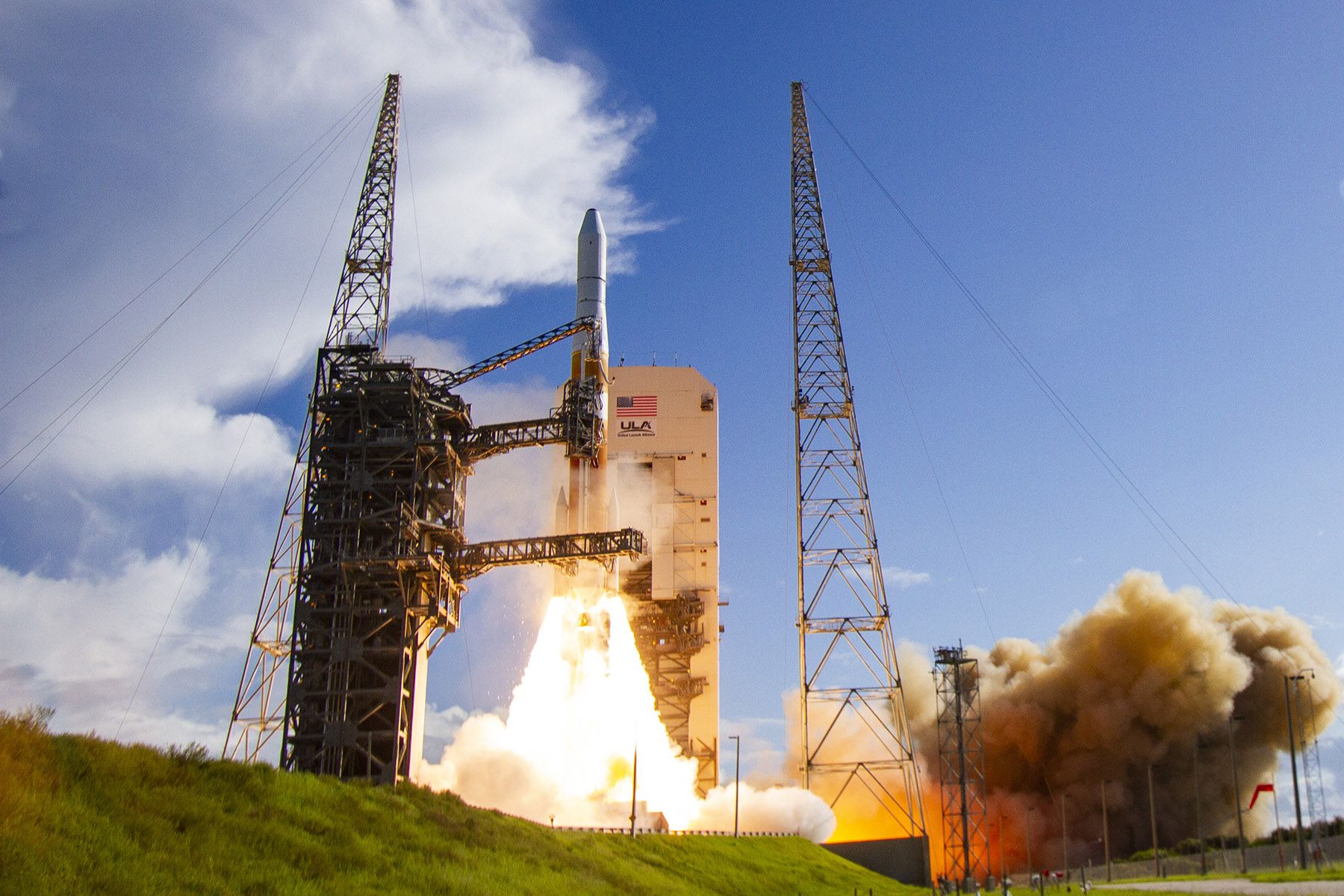
Will Traditional Launch Services Suit the Needs of Space Force?
Article by Sandra Erwin November 24, 2020 (spacenews.com)
• The Space and Missile Systems Center Launch Enterprise (under the auspices of the US Space Force) issued a request for information on November 10th asking companies to submit details on planned investments that would support space mobility and logistics by January 15th. The director of Space Force’s launch enterprise, Col. Robert Bongiovi, said his office is trying to gain better insight into the next wave of space innovation and how the military could acquire those capabilities.
• How the Pentagon buys launch services in the future could change as the military considers emerging technologies and services. A future space ecosystem would include satellite refueling and servicing, space vehicles, space manufacturing, and space tugs that relocate satellites. This is part of a crucial space infrastructure that the military terms “space mobility and logistics”.
• One example of the future use of sub-orbital space vehicles to transport cargo and personnel to distant locations on Earth. Senior officials in acquisitions for the Department of the Air Force have shown interest in such point-to-point delivery. But Space Force and launch enterprises currently have no plans to change the structure of its national security launch program, which relies on SpaceX and United Launch Alliance to fly military and intelligence community satellites to multiple orbits, said Col. Bongiovi.
• So the Space Command will wait and see how new technologies and new uses for commercial launch systems will play out in the private sector before the Pentagon makes any financial commitments.. “I think we will watch it closely to see how effective it becomes on the commercial side,” said Lt. Gen. John Shaw.
• In the meantime, Space Force is studying the market to establish the requirements of launch providers in the next national security space launch competition in 2024. “We have to have honest conversations with industry on where they’re going and why,” said Col. Bongiovi. “We also have to talk to our satellite providers and understand the demand.”
 WASHINGTON — SpaceX and United Launch Alliance were selected as U.S. national security launch providers

based on their ability to deliver spacecraft to specific Earth orbits. How the Pentagon buys launch services in the future could change, however, as the military considers using emerging technologies and services known as “space mobility and logistics.”
Col. Robert Bongiovi, the director of the Space Force’s launch enterprise, said his office is trying to gain better insight into the next wave of space innovation and figure out how the military could acquire those capabilities.
The Space and Missile Systems Center Launch Enterprise issued a request for information Nov. 10 asking companies to submit by Jan. 15 details on planned investments that would support space mobility and logistics.
Space tugs that move satellites to different orbits or within orbits, satellite refueling and servicing vehicles, and in-space manufacturing are some of the capabilities mentioned in the request for information as examples of the future space ecosystem.

These are all new space missions and capabilities that the military doesn’t currently do. Bongiovi said last week at a Mitchell Institute event that the information submitted by the industry will help the Space Force decide on future investments in space access, mobility and logistics.
The Space Force in its vision document mentions space mobility and logistics as “core competencies” of the service.
Bongiovi said there are currently no plans to change the structure of the national security launch program, which relies on two launch providers to fly military and intelligence community satellites to multiple orbits. But he said the Space Force is doing market research that could inform the requirements for launch providers for the next national security space launch competition in 2024. “Industry has a view of the future that is very expansive,” he said.
FAIR USE NOTICE: This page contains copyrighted material the use of which has not been specifically authorized by the copyright owner. ExoNews.org distributes this material for the purpose of news reporting, educational research, comment and criticism, constituting Fair Use under 17 U.S.C § 107. Please contact the Editor at ExoNews with any copyright issue.



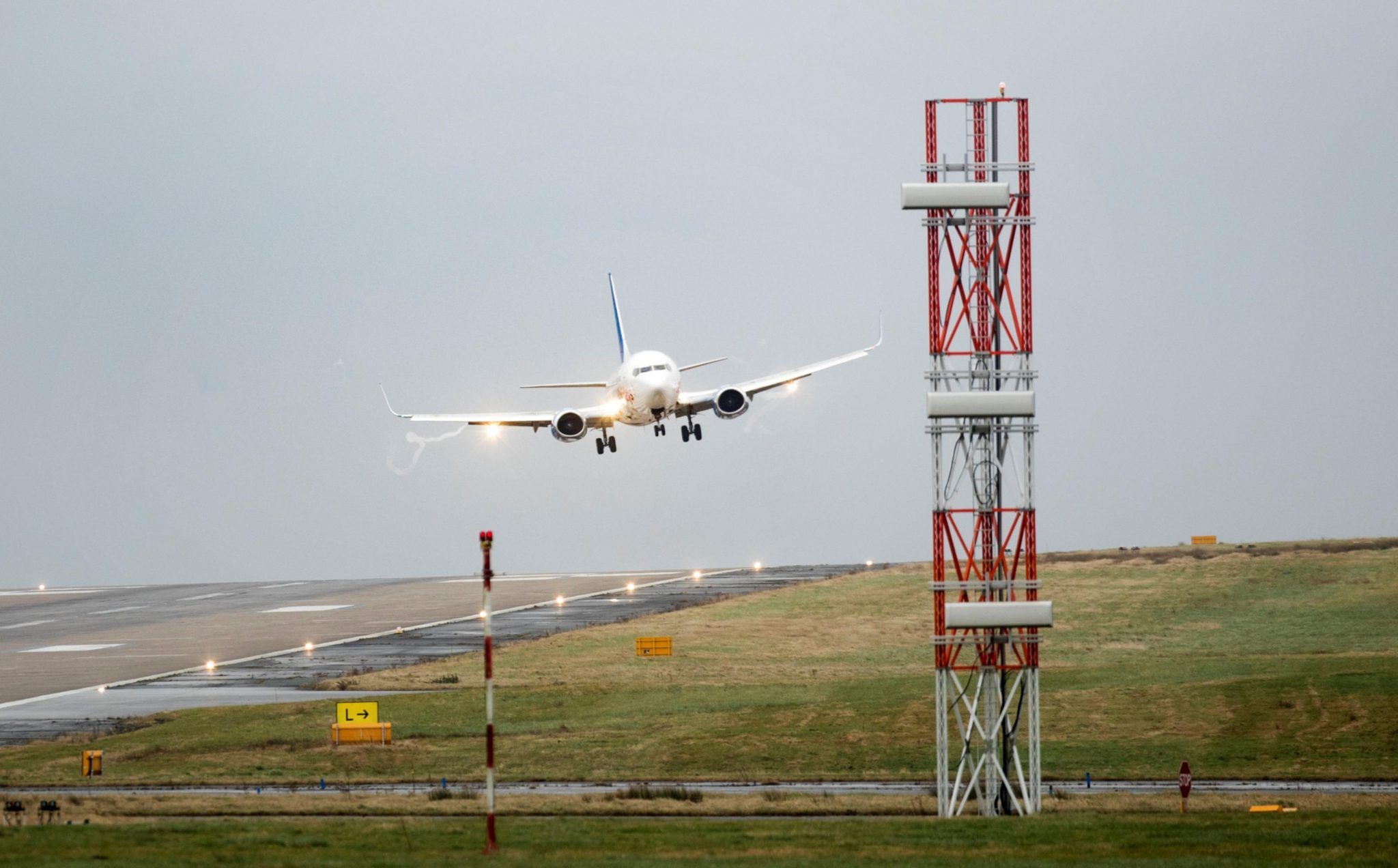
 A UFO came within seconds of colliding with a passenger jet in a terrifying close call.
 Bradford airport.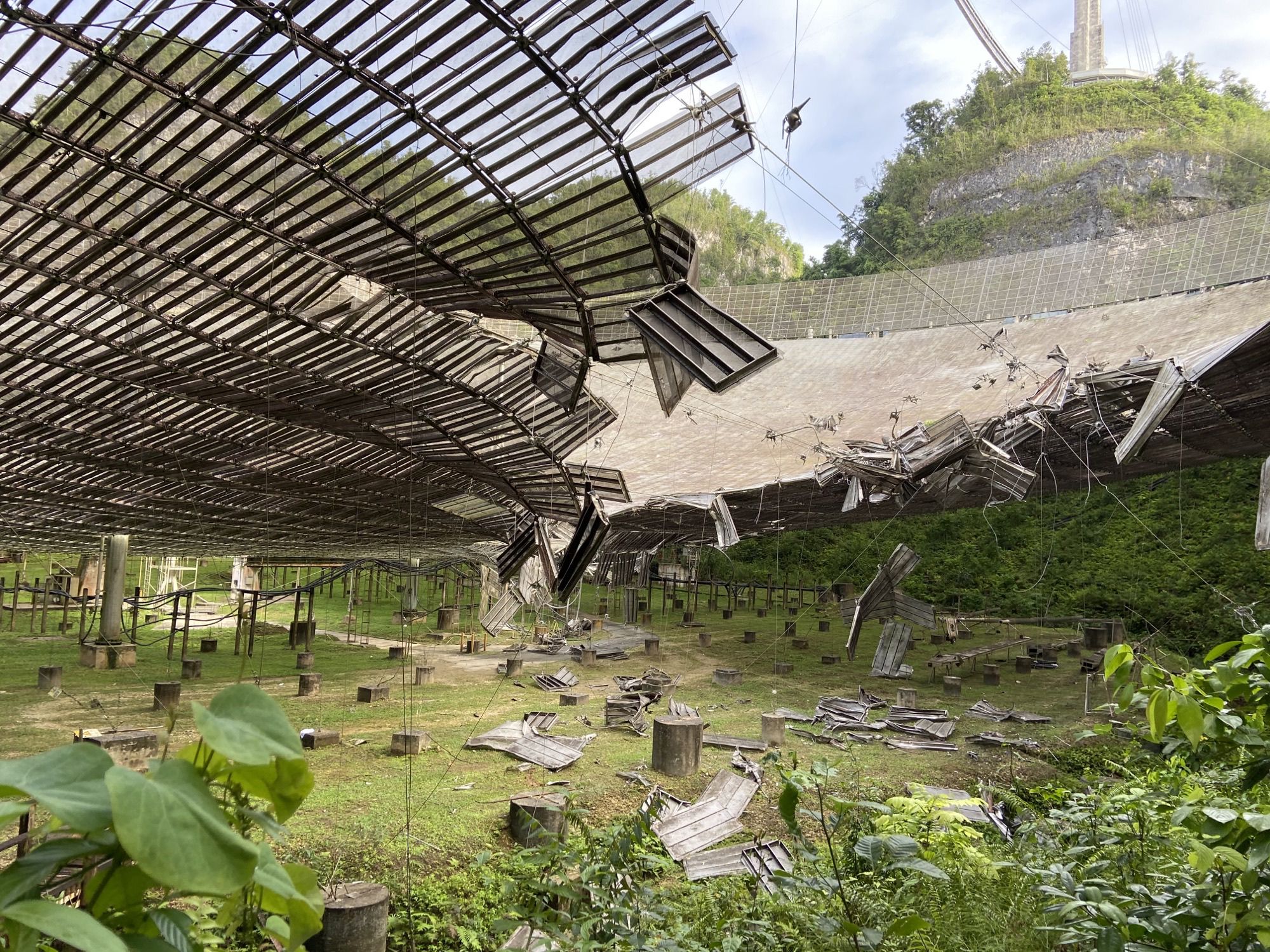

 Thursday that it will close the huge telescope at the renowned Arecibo Observatory in Puerto Rico in a blow to scientists worldwide who depend on it to search for planets, asteroids and extraterrestrial life.
 the telescope’s main steel cables snapped, leading officials to warn that the entire structure could collapse.

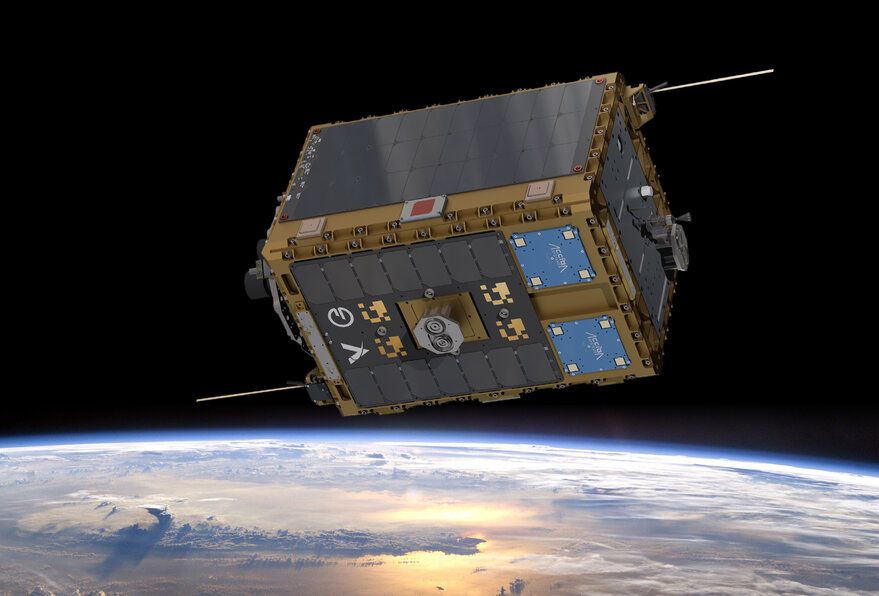

 company’s first operational fuel depot to orbit. Tanker 001 Tenzing, which will provide fuel for the fast growing in-orbit servicing industry, is expected to launch aboard a SpaceX Falcon 9 no earlier than in June 2021.
 is one of several payloads to launch on a Spaceflight Sherpa orbital transfer vehicle, which is capable of executing multiple deployments. Spaceflight’s first OTV, Sherpa-FX, is scheduled to debut no earlier than December 2020 on a SpaceX rideshare mission and provides independent and detailed deployment telemetry, and flexible interfaces, all at a low cost.








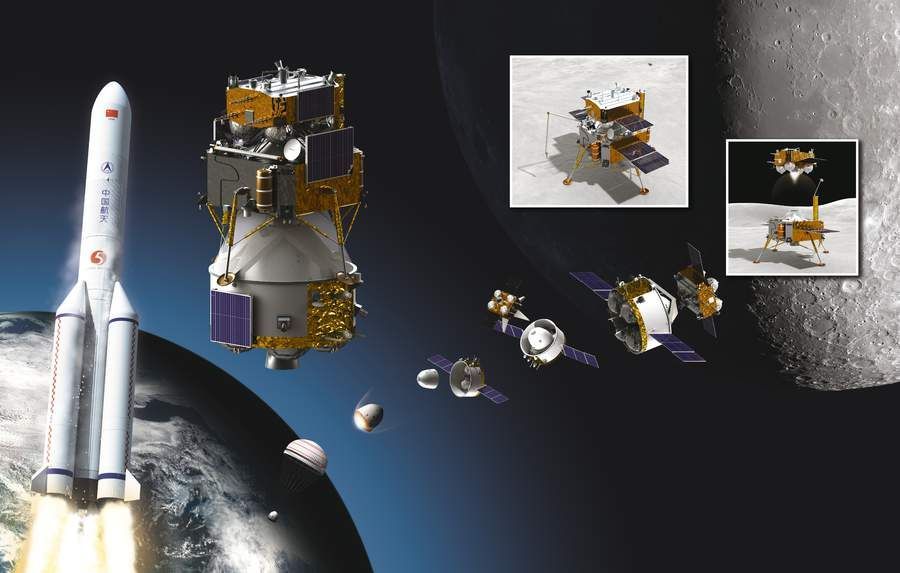

 arrive in lunar orbit around Nov. 28, then send two of its four modules — a lander and an ascent vehicle — to the lunar surface a day or so later. (Chinese officials have been characteristically vague about Chang’e 5’s details, so timeline information has been pieced together from various sources by China space watchers like Space News’ Andrew Jones, who also provides articles for Space.com.)





 Radioactive sludge is probably the last place you would expect to find life (except maybe the Toxic Avenger), but if you’re looking for signs of extraterrestrial life, seek out planets with radioactive elements beneath the surface.




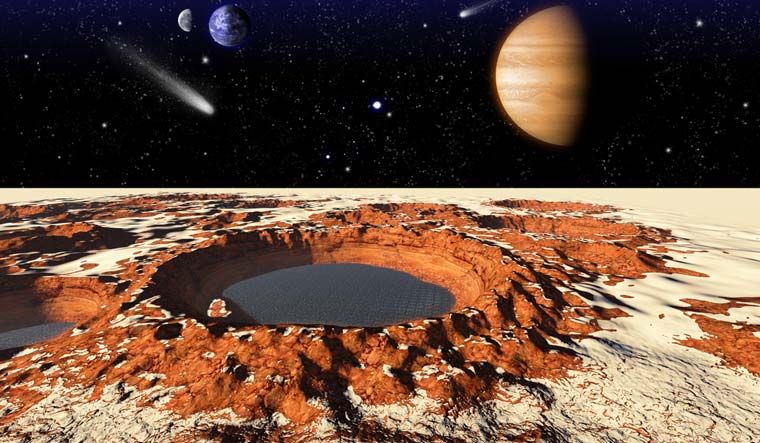



 Donald Trump set bold goals for space exploration during his time in office – from crewed missions to the Moon and Mars to a Space Force. By contrast, his successor Joe Biden has been relatively quiet on space policy. So how is space exploration likely to change going forward?
 During the Trump administration, NASA also committed to the return of astronauts to the Moon in 2024 under the Artemis program. This is due for its first test launch (uncrewed) next year with Artemis-1. This builds on the Constellation program which was implemented by Republican president George W Bush in 2005 but was subsequently cancelled by Democratic president Barack Obama due to its high cost and difficulty.

 In his groundbreaking 1997 book — The Day After Roswell — Col. Philip J. Corso claims that during his service he distributed to corporations foreign technology which was actually extraterrestrial in origin.

 frequency processing microchip that could give the Pentagon the ability to reduce the processing time for radar, electronic warfare and 5G communication applications, National Defense reported.


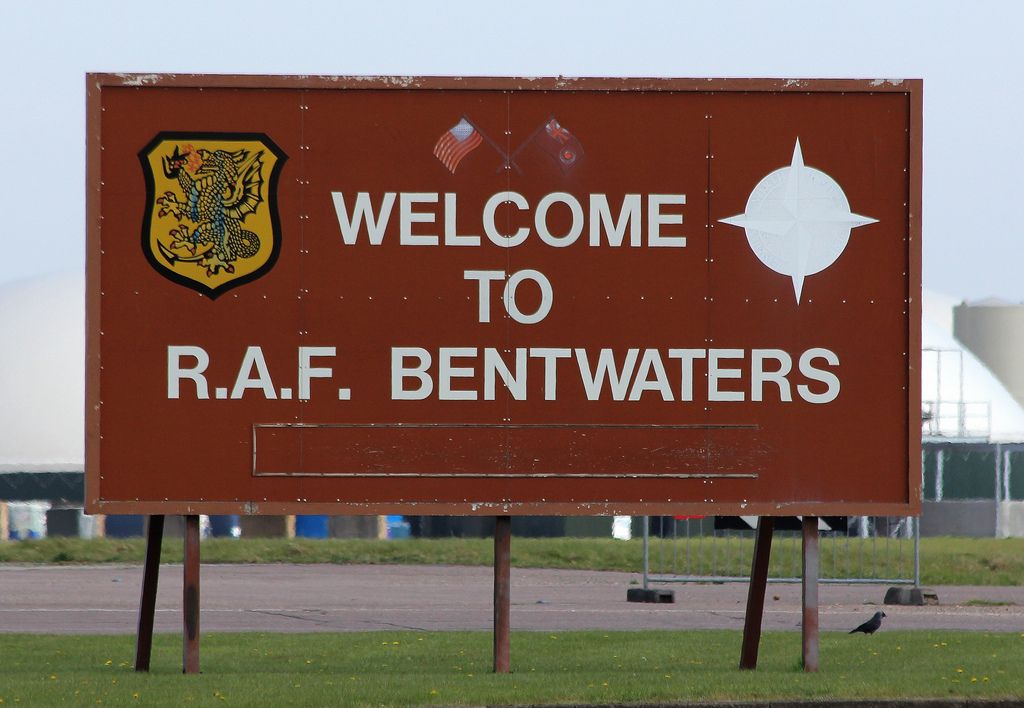
 A documentary has attempted to shine new light on the infamous Rendlesham Forest incident from 1980, involving UFOs and nuclear weapons.



 This month, mysterious lights startled some people looking to the skies in Milwaukee, Wisconsin. Readers of this